
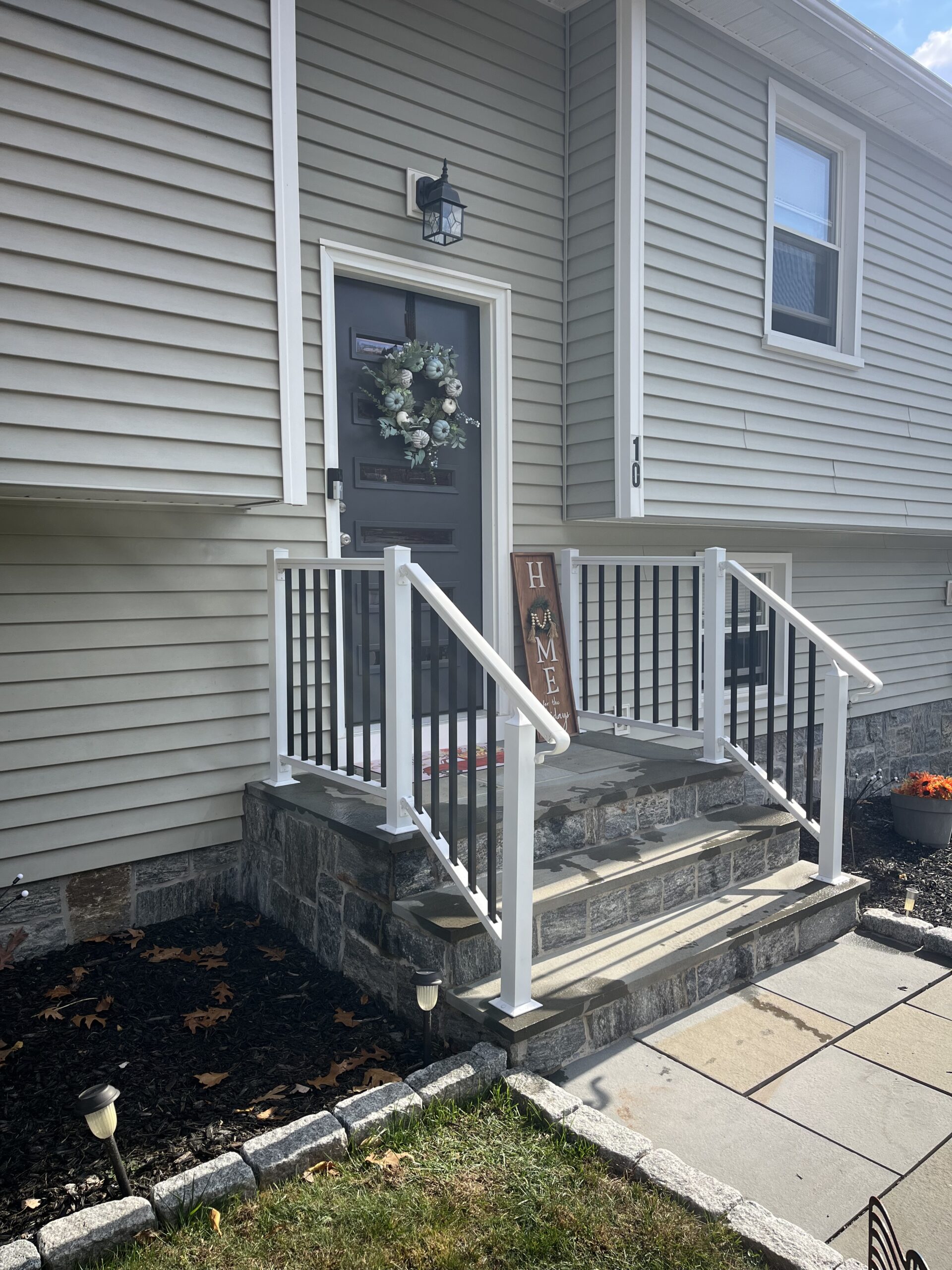
The winter energy-saving upgrades that pay off most in a Connecticut home are the ones that stop heat from leaking out: efficient windows, insulated doors, storm doors and careful air sealing. Cold drafts and high heating bills usually trace back to these same few places, so that is where to look first.
Winter Energy-Saving Upgrades That Make the Biggest Difference
1. Energy-efficient windows
Old or poorly sealed windows are one of the biggest sources of heat loss in a home. Signs include drafts you can feel near the glass, condensation, and rooms that never seem to warm up.
Vinyl replacement windows with insulated glass and low-E coatings reduce drafts and minimize condensation. Your heating system does less work to hold a steady temperature, and rooms feel more comfortable near the windows.
2. Insulated entry and patio doors
Doors are the other major barrier between your living space and the cold. An older door with worn weatherstripping can let in a surprising amount of air.
Insulated entry doors and patio doors with energy-saving cores and good weatherstripping hold heat in far better. Patio doors deserve special attention because of how much glass they contain.
3. Storm doors
A storm door adds a second layer in front of your entry door. It blocks wind and moisture before they reach the main door and helps protect the door’s finish from winter weather.
4. Air sealing and insulation
Windows and doors are not the only places heat escapes. Sealing air leaks around trim, pipes and attic openings, and adding insulation where it is thin, strengthens the whole house against the cold.
These are often small jobs, but together they keep warm air inside where it belongs.
Protecting Entrances from Snow and Ice
Comfort in winter is also about getting in and out of the house safely. Door canopies shelter the entrance from snow, ice and dripping meltwater, which keeps the steps clearer and the doorway drier.
Retractable awnings and patio covers are mostly a warm-weather benefit. Winter is a good time to plan one, though, so your deck or patio is ready when the weather turns.
How to Find Where Your Home Is Losing Heat
On a cold, windy day, walk through the house and hold your hand near window frames, door edges and thresholds. Moving air means a leak.
Look for daylight around closed doors, fog between panes of glass, and windows that rattle or will not lock tightly. Any of these points to a seal that has failed.
Start with the worst offenders. Replacing the draftiest windows or a single leaky door often makes a noticeable difference in comfort.
Frequently Asked Questions
Can windows be replaced in winter?
Yes. Installers typically work on one opening at a time, so the house is not left open to the cold for long.
What is low-E glass?
Low-E, or low-emissivity, glass has a thin coating that reflects heat. In winter it helps keep warmth inside the room.
Is a storm door worth adding to a newer entry door?
It can be. A storm door cuts wind, protects the entry door from weather and lets in light, and a screen model gives you ventilation in warmer months.
Get Your Home Ready Before the Cold Sets In
Aladdin Inc. installs windows, doors and storm doors for homeowners across Connecticut. To talk about what would help your home most this winter, call (203) 776-9996 or reach out through our contact page.