
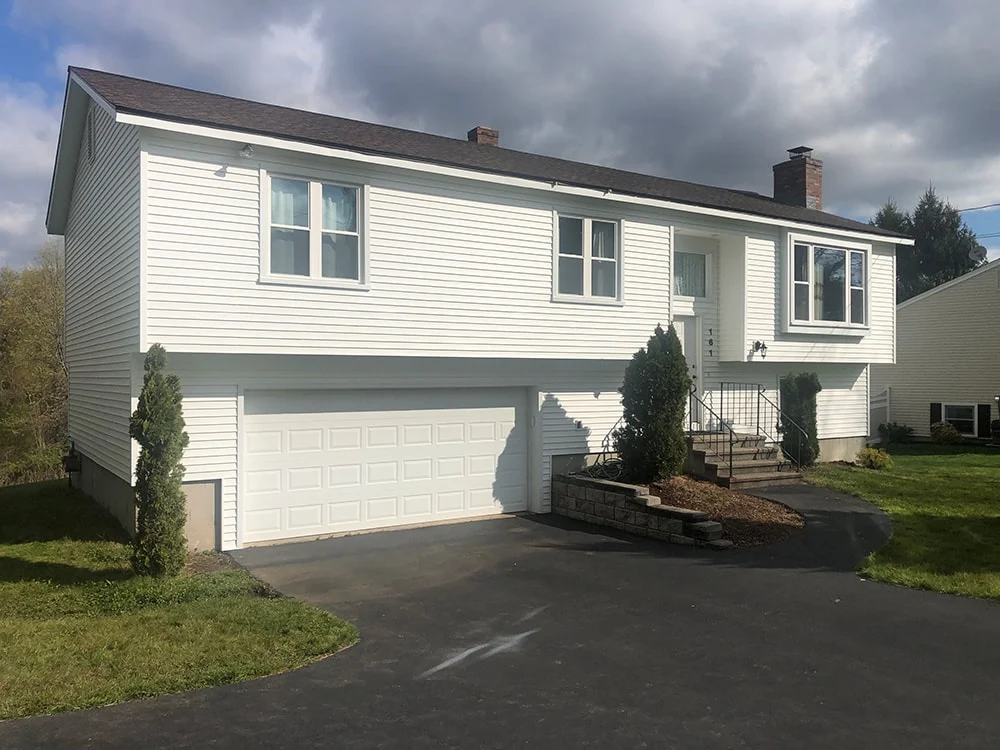
There are four reliable signs you need new siding: utility bills that keep climbing, water damage, fading or peeling, and physical damage such as rot, warping, cracks or loose panels. Siding is supposed to protect the inside of your house from rain, snow and temperature swings. Once it wears out, it can no longer do that job, and the damage moves indoors.
4 Signs You Need New Siding
1. High Utility Costs
Siding is part of the barrier that keeps heated or cooled air inside and extreme outdoor temperatures out. If your utility bills have gone up significantly, old and damaged siding may be to blame.
Before you shop for siding, rule out other causes. Roof damage and insufficient or worn-out insulation can raise energy costs, and so can drafty windows and doors. If the walls look sound but rooms still feel cold near the glass, new vinyl replacement windows may solve the problem for less than re-siding the house.
2. Water Damage
Bubbles on the surface of the siding often mean water is trapped underneath. If moisture gets past the siding, it can damage the inside of the house. Indoors, look for fungus, mold, mildew, peeling paint or loose wallpaper on exterior walls.
3. Fading and Peeling
Badly faded color can be a sign that siding is no longer able to protect the house from water. If the paint on your siding keeps cracking, peeling or chipping soon after it is redone, the siding may have reached the end of its lifespan.
4. Rot, Warping, Cracks and Loose Pieces
Use a screwdriver to poke the siding and the layer underneath, and check for rotting or warping. Siding that is rotted or warped needs to be replaced as soon as possible.
Cracked or loose siding should also be replaced, because water can seep under it and damage the interior of your home. If you find cracked or loose pieces, check whether the problem is limited to a small area or affects most of the house. A small area may only need a repair.
Hidden Siding Damage to Check For
Insect Holes
Holes in siding may be signs of insect damage. The insects are a problem in themselves, and the holes they create let moisture get beneath the siding and cause further damage.
Dry Rot
Dry rot is a fungus that can destroy most of a piece of wood siding while leaving the outer layer intact. You may not realize it is there until you tap on the siding with the handle of a screwdriver and it sounds hollow or gives way.
Check the Openings While You Check the Walls
Water rarely stops at the siding. The same moisture that rots a wall often gets into door frames and window trim first, so look closely at the bottoms of door jambs and at the sills. A swollen, soft or drafty door is a candidate for a new entry door, and a storm door adds a layer of weather protection in front of it.
Frequently Asked Questions
Can I replace only the damaged siding?
If the damage is limited to a small area and the rest is sound, a repair is often enough. Widespread rot, warping or loose panels usually call for full replacement.
Does faded siding always need to be replaced?
No. Fading alone can be cosmetic. It matters most when it comes with cracking, peeling or signs of moisture.
How do I check siding for rot?
Press on it with a screwdriver and tap it with the handle. Soft spots, crumbling wood or a hollow sound suggest rot beneath the surface.
Next Step: Get the Damage Looked At
If you have noticed any of these signs, have a siding professional inspect the walls before more water gets in. If the inspection points to your windows or doors instead, or as well, the team at Aladdin Inc in Wallingford can help. Call (203) 776-9996 or request a quote.