
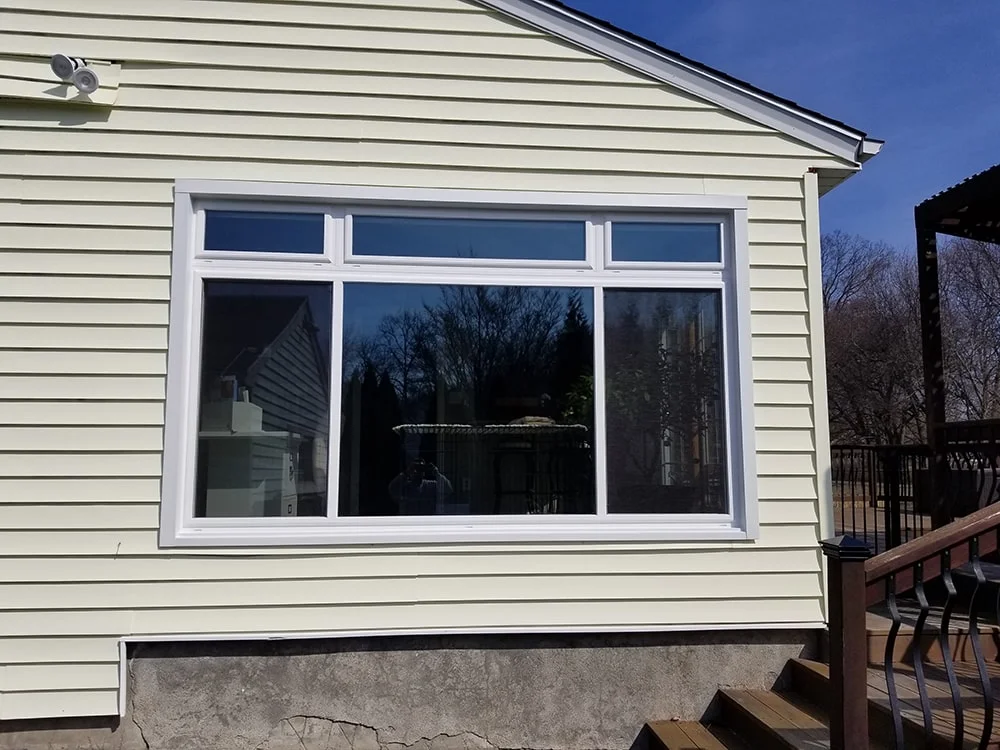
Low-E glass is window glass with a very thin, invisible coating that reflects heat while still letting daylight through. It keeps more heat inside in winter and more of the sun’s heat outside in summer, which is why it is now a common feature of energy-efficient windows. Here is how it works and what to look for when you compare windows.
Why Windows Matter for Your Energy Bills
We all like the view and the daylight, but windows come at a price. In summer, heat from the sun pours in through the glass and drives up cooling costs. In winter, windows are one of the main places a house loses heat.
Experts estimate that heat gain and heat loss through windows account for 25 to 30 percent of residential heating and cooling energy use. In a Connecticut home that has to handle both cold winters and humid summers, the glass you choose makes a real difference.
What Is Low-E Glass?
Low-E stands for low emissivity. The glass has a microscopically thin coating that reflects heat. It reduces the amount of infrared and ultraviolet light that passes through the window without noticeably cutting the visible light that enters the room.
In summer, most of the sun’s energy that comes through a window arrives as heat, and the coating reflects much of it back outside. In winter it works the other way, reflecting the heat from your furnace back into the room instead of letting it escape through the glass.
Low-E glass is available in vinyl replacement windows, where it is paired with insulated frames and double-pane glass.
Low-E Glass Benefits for Your Home
Lower heating and cooling costs
Because the coating reduces heat transfer through the glass, your furnace and air conditioner do not have to work as hard to hold a steady temperature.
More comfortable rooms
Rooms with Low-E glass have fewer cold spots near the windows in winter and less of that baking heat by a sunny window in summer.
Less fading
By blocking a share of ultraviolet light, Low-E glass helps slow the fading of floors, furniture, rugs and curtains.
No loss of daylight
The coating is clear to the eye. You keep the natural light and the view.
The Two Ratings to Check
Window labels list two numbers that tell you how the glass performs. Which one matters more depends on whether you care most about keeping heat in or keeping heat out.
U-Factor. This measures how well a window keeps heat from escaping. Ratings generally fall between 0.20 and 1.20. The lower the number, the better the window insulates, so a low U-Factor is especially important in a cold climate like ours.
Solar Heat Gain Coefficient (SHGC). This measures how well a window blocks heat from the sun. It is a number between 0 and 1. A lower SHGC means less unwanted heat gain, which matters most for rooms that get strong afternoon sun.
Frequently Asked Questions
Does Low-E glass make a room darker?
Not in any way most people notice. The coating targets infrared and ultraviolet light and lets visible light pass.
Can Low-E glass be added to my existing windows?
The coating is applied when the glass is manufactured, so the practical way to get it is with new windows or new insulated glass units.
Is Low-E glass worth it in Connecticut?
Yes. It helps in both seasons, holding heat in during the winter and reflecting sun in the summer, and our climate has plenty of both.
Talk to a Window Specialist
Aladdin has been helping Connecticut homeowners with their home exteriors since 1949. Along with windows, we install entry doors and patio doors with energy-saving glass options. To find out which windows suit your home, contact us or call (203) 776-9996.