
To stop animals from making holes in siding, inspect the house regularly, patch every hole as soon as you find it, use deterrents at the spots they keep returning to, and cut back the branches they use to reach the walls. Woodpeckers, carpenter bees and squirrels cause most of the damage, and wood siding is their favorite target.
Why Animals Make Holes in Siding
If you have ever sat in your living room and heard a steady tapping on the side of the house, you already know what a woodpecker can do. Wood siding is easy to get through, and birds can turn a good-looking wall into boards full of holes.
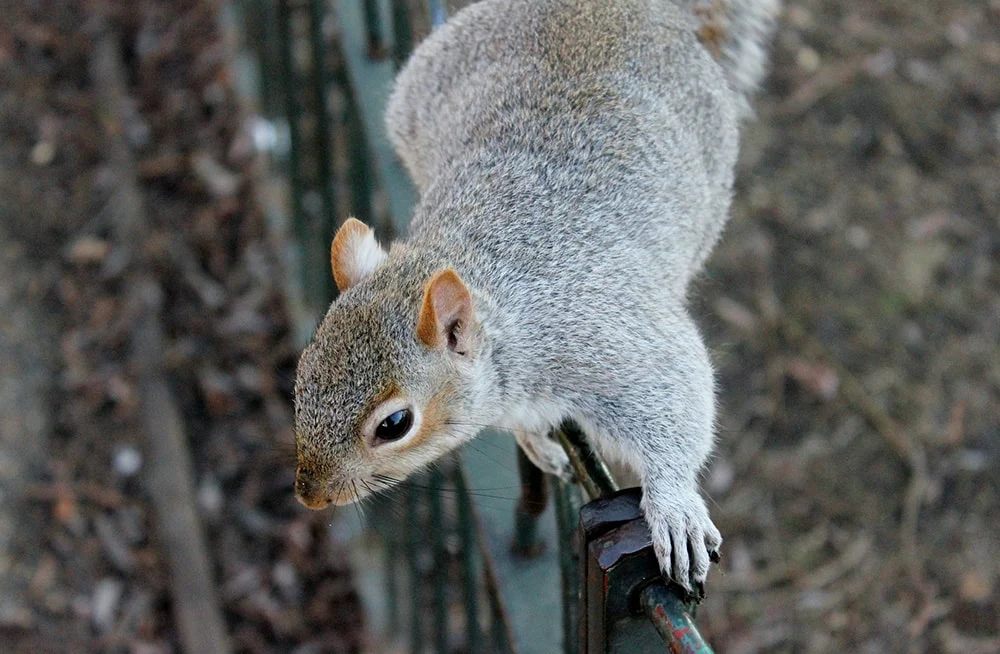
Carpenter bees bore into wood to nest. Squirrels love to chew on wood, and once they are inside a wall or attic they may chew wiring, which is a hazard in itself.
The holes are more than an eyesore. Each one leaves the house open to rodents, insects and moisture, so repairing them quickly is the key to keeping a small problem small.
How to Stop Animals From Damaging Your Siding
Inspect and Repair Regularly
Whether you do it yourself or hire a professional, look over the outside of your home on a regular schedule. Check that old holes are still patched and that no new damage has appeared.
Trim back any tree branches that touch or overhang the house while you are at it. To a squirrel, a branch near the roof is a welcome mat.
Patch Any Holes
Woodpeckers and carpenter bees tend to return to holes they have already made. Fill them with foam or wood filler so there is nothing to come back to.
Use Deterrents on Problem Spots
If patching does not stop the pecking, other options include covering the area with aluminum foil, applying a chili paste mixture, or hanging netting so birds cannot reach that part of the wall.
Taste repellents are a common recommendation for squirrels too. The idea is the same: make the wood unpleasant to chew so they move on.
Consider Vinyl Siding
If you would rather not fight pests that target wood, vinyl siding is worth considering when the time comes to replace it. You will still need to watch other entry points, but vinyl is far less attractive to wood-boring pests, and it is low-maintenance, budget-friendly and available in a wide range of colors.
Close the Other Ways In
Siding is not the only route into a house. Animals and insects also get in through rotted window frames, torn screens and gaps under worn doors, so check these on the same walk around the house.
Soft, rotted wood around a window is easy for pests to chew through. Vinyl replacement windows remove that weak spot and come with new, tight-fitting screens.
At the doors, look for daylight at the bottom and sides. A new entry door with a proper threshold and weatherstripping closes those gaps, and a storm door with an intact screen lets you air out the house without inviting anything in.
Frequently Asked Questions
Why do woodpeckers peck at house siding?
They are usually looking for insects in the wood, making a nesting cavity or drumming to mark territory. Wood siding suits all three.
What should I use to fill holes in wood siding?
Foam or wood filler works for most small holes. Larger or rotted areas may need the board replaced.
Do animals damage vinyl siding?
Much less often than wood, since vinyl offers nothing to eat or nest in. They can still get in through gaps elsewhere, so regular inspections remain important.
Seal Up Your Home’s Weak Spots
If your inspection turned up worn windows or doors that could let pests in, get in touch with Aladdin Inc in Wallingford or call (203) 776-9996. We can look at the openings and recommend replacements that close the gaps.