
Checking window seals takes about ten minutes per room and no special tools. Look for visible damage, feel around the frame for moving air, and use a candle flame to find drafts you cannot see or feel. If the seals have failed, you will know where to re-caulk and which windows may be due for replacement.
Here in New England, the seals around your windows do most of their work in winter, holding heated air in and keeping cold drafts out. A good time to check them is before the cold sets in, and again in spring before you start opening windows for fresh air.
Three Ways of Checking Window Seals
Inspect visually
Walk through each room and look closely at every window. You are looking for cracks in the glass or frame, gaps where the frame meets the wall, and caulk that is cracked, shrunken or missing.
Then go outside and do the same. An exterior check often shows problems you cannot see from indoors, such as open joints or peeling caulk around the trim.
Do a physical check
Run your hand slowly around the frame of the window. On a cool or windy day you can often feel air moving through a gap. Feel for spots where caulk or weatherstripping is missing as well.
These gaps let in air and water and can lead to rot or mold, so patch them promptly. If the old caulk is flaking, scrape it away and re-caulk the area so the new bead bonds properly.
Use a candle
If you do not see or feel anything, there could still be a draft. Hold a lit candle near the edges of the window and move it slowly around the frame. If the flame flickers or the smoke bends, air is getting through at that spot. Keep the flame well away from curtains and blinds.
Signs the Glass Seal Has Failed
Double-pane windows have a second seal, the one between the two panes of glass. When it fails, moisture gets into the space between the panes.
The usual sign is fog, haze or water droplets inside the glass that you cannot wipe off from either side. Caulk will not fix this. The glass unit or the window needs to be replaced.
When Re-Caulking Is Not Enough
Caulk and weatherstripping fix small gaps. They do not fix warped frames, rotted wood, fogged glass or sashes that no longer close tightly. If you find those problems on several windows, new windows are usually the better use of your money.
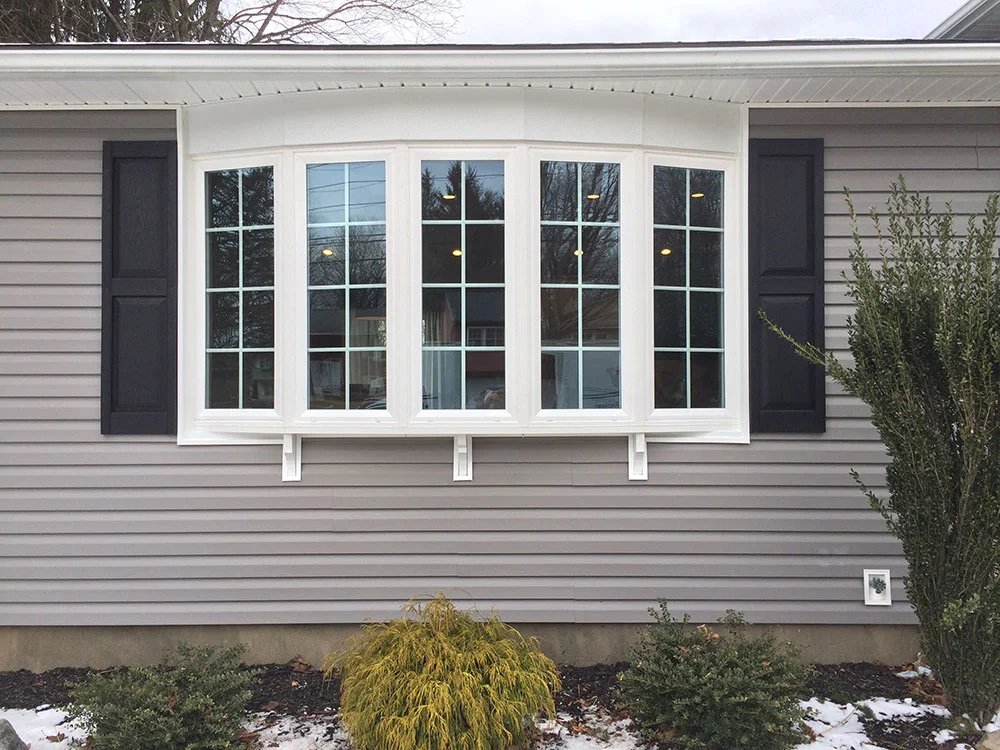
Vinyl replacement windows are a durable, cost-effective option for keeping the cold out. Unlike wood, vinyl stands up to harsh winter weather without rotting or warping, and a properly fitted window keeps drafts to a minimum. New windows can also improve the look of your home and reduce energy costs.
While you are checking for drafts, look at your doors too. A worn entry door leaks air the same way a window does, and adding a storm door gives it another layer of protection.
Frequently Asked Questions
How often should I check my window seals?
Once or twice a year is enough for most homes. Fall and spring are good times because you can fix problems before the heating or cooling season.
Can a failed window seal be repaired?
Gaps around the frame can be re-caulked. A failed seal between the panes cannot be repaired with caulk and calls for a new glass unit or a new window.
Do drafty windows really raise heating bills?
Yes. Every gap lets heated air out and cold air in, so your heating system runs longer to keep the house comfortable.
Found a Draft You Cannot Fix?
If your check turns up windows that are past patching, Aladdin can help. We install vinyl windows in homes across Connecticut. Get in touch for a free quote or call (203) 776-9996.